Chapters
Don't HR Alone · Episode
Master Employee vs Independent Contractor Classification Rules
Chapters (18)
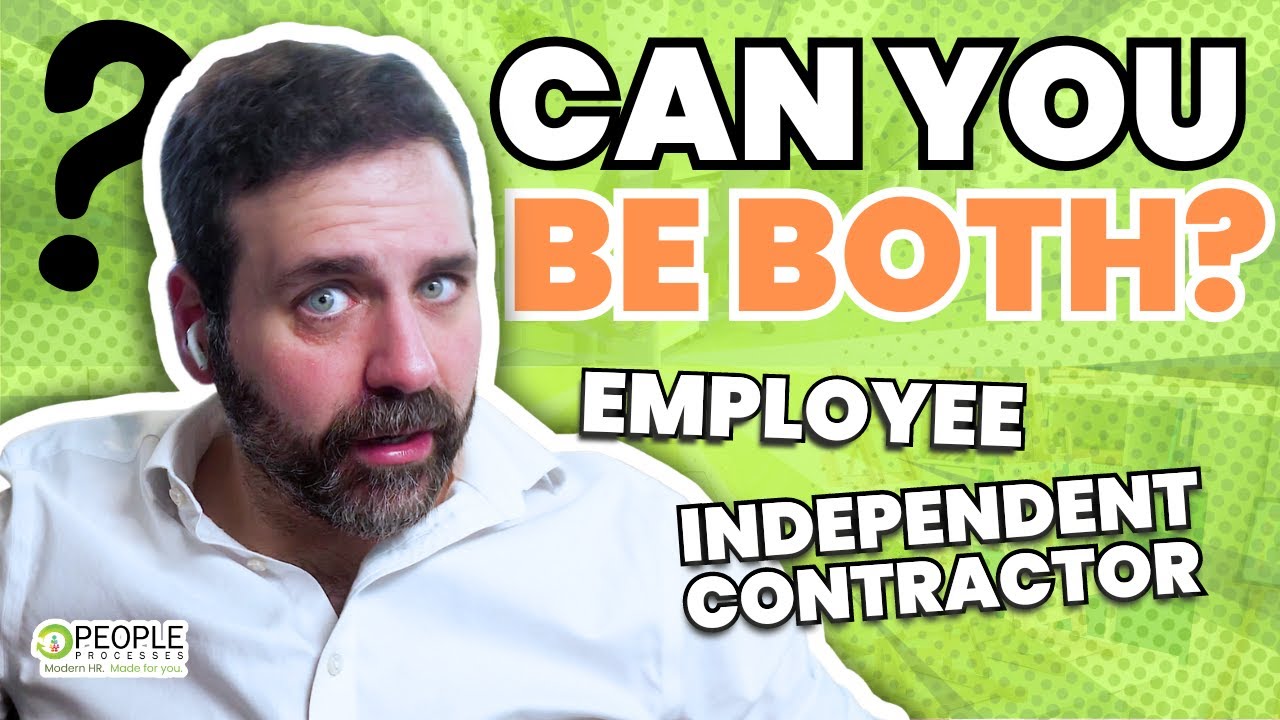
Misclassifying workers as independent contractors when they should be employees is one of the costliest mistakes a business can make. In this recorded seminar, hosted by Earmark CPE as a NASBA-approved CPE and IRS-approved CE webinar, Rhamy walks through how to tell the difference and what to do when a business gets it wrong.
The session centers on the IRS common law test, which looks at three groups of factors: behavioral control, financial control and the relationship of the parties. Rhamy uses real-world misclassification lawsuits and penalties to show what is at stake, explains the red flags that tend to trigger audits, including unemployment claims, and covers why paying the same person as both a W-2 employee and a 1099 contractor is almost always a mistake.
The seminar closes with documentation practices and the options for fixing past misclassification, including the IRS Voluntary Classification Settlement Program (VCSP).
Key takeaways
- Evaluate each worker against all three groups of IRS common law factors: behavioral control, financial control and the relationship of the parties.
- Avoid paying the same person as both a W-2 employee and a 1099 contractor, which the seminar describes as almost always a mistake.
- Treat events like an unemployment claim from a contractor as a red flag that can expose a misclassification.
- If past classifications were wrong, look at correction options such as the IRS Voluntary Classification Settlement Program.
What is the IRS common law test for independent contractors?
It is the IRS framework for deciding whether a worker is an employee or an independent contractor, and it is the backbone of this seminar. Rhamy walks through the test's three groups of factors:
- Behavioral control, which looks at whether the business controls how the work is done.
- Financial control, which looks at who controls the business side of the work.
- Relationship of the parties, which looks at how the two sides understand and structure their relationship.
The session takes each group in turn, so the whole picture is weighed rather than any single factor. Because the rules and their interpretation can change, check current IRS guidance when applying the test to a specific worker.
Can someone be both a W-2 employee and a 1099 contractor at the same company?
The seminar's answer is that dual W-2 and 1099 status is almost always a mistake. Rhamy devotes a section of the session to what he calls the myth of dual classification: the idea that a business can keep someone on payroll as an employee for one set of duties while paying them as a contractor for another.
The point connects to the rest of the session. Classification depends on the working relationship as a whole, assessed through the IRS common law factors of behavioral control, financial control and the relationship of the parties. Businesses that currently pay anyone both ways should review those arrangements, and check current IRS guidance before deciding how to treat them.
What triggers a worker misclassification audit?
The seminar covers several red flags, and one it singles out is unemployment claims. When a worker the business treated as a contractor files for unemployment, the claim can put the classification in front of a state agency and bring the arrangement under review.
Rhamy also covers the broader cost of misclassification, the legal and financial consequences businesses face, and real-world lawsuits and penalties that show how expensive the problem can become. The practical defense discussed in the session is documentation: keeping records that support why each worker is classified the way they are, so the business can show its reasoning if a claim or audit arises. Because enforcement priorities shift over time, check current guidance from the IRS and your state agencies.
How do you fix worker misclassification with the IRS?
One option covered in this seminar is the IRS Voluntary Classification Settlement Program, or VCSP. Rhamy closes the session by walking through how businesses can fix past classification mistakes, including using this program to move workers into the correct status going forward.
In the session, the VCSP discussion follows the chapters on the common law factors, the cost of misclassification and documentation and compliance, so correcting past classifications builds on understanding the test and keeping records that support each decision. Program terms and eligibility can change, so check the current IRS requirements for the VCSP before applying, and consider professional help with the decision.
About this episode
Misclassifying workers is one of the costliest mistakes a business can make. Join us for an in-depth seminar on the crucial aspects of employee vs. independent contractor classification. In this NASBA-approved CPE/IRS-approved CE webinar hosted by Earmark CPE, Rhamy Alejeal walks through:
- IRS Common Law Test (behavioral, financial, relationship factors)
- Real-world misclassification lawsuits and penalties
- Red flags that trigger audits
- Why dual W-2/1099 status is almost always a mistake
- How to fix past mistakes with the IRS Voluntary Classification Settlement Program (VCSP)